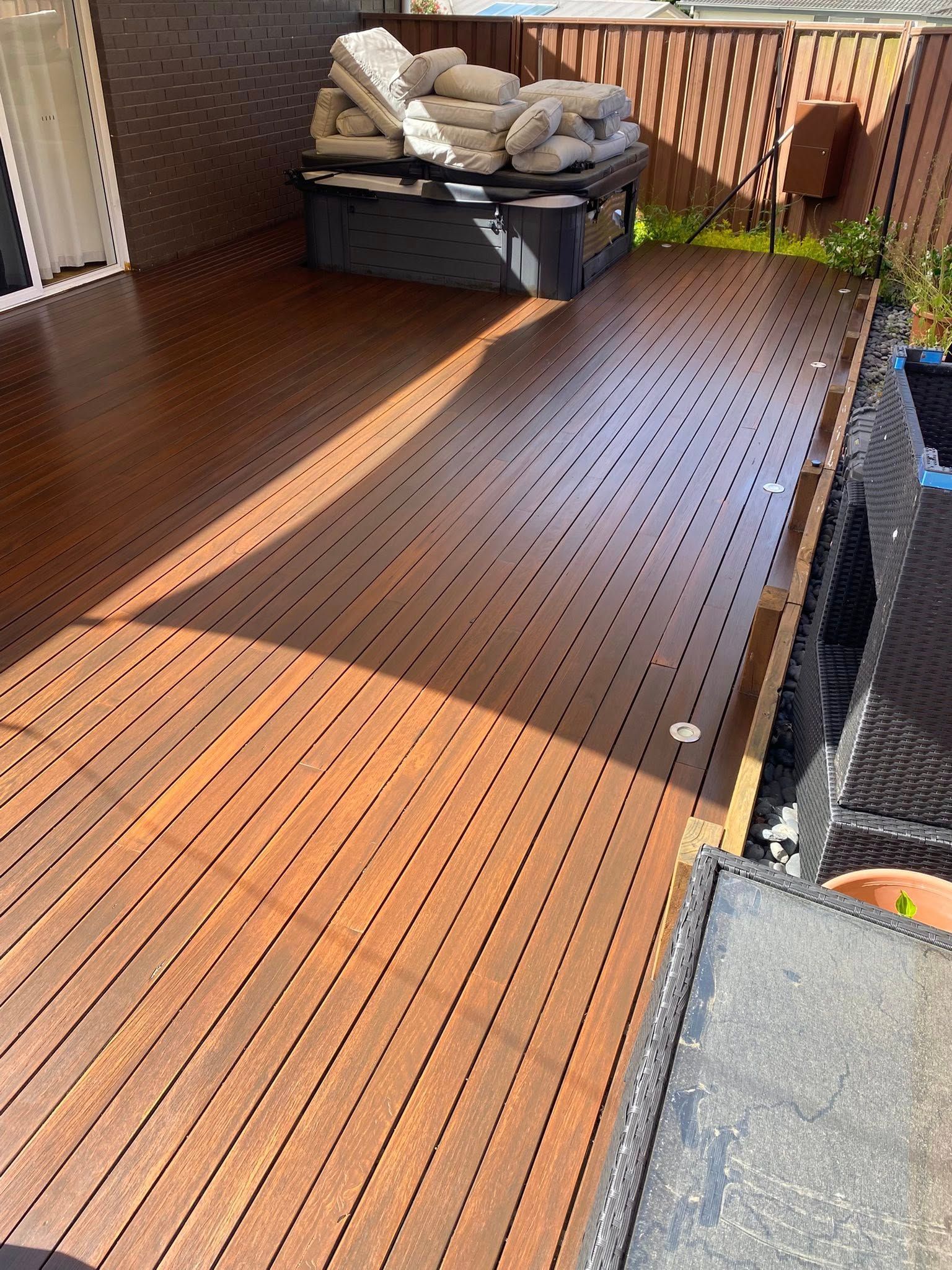
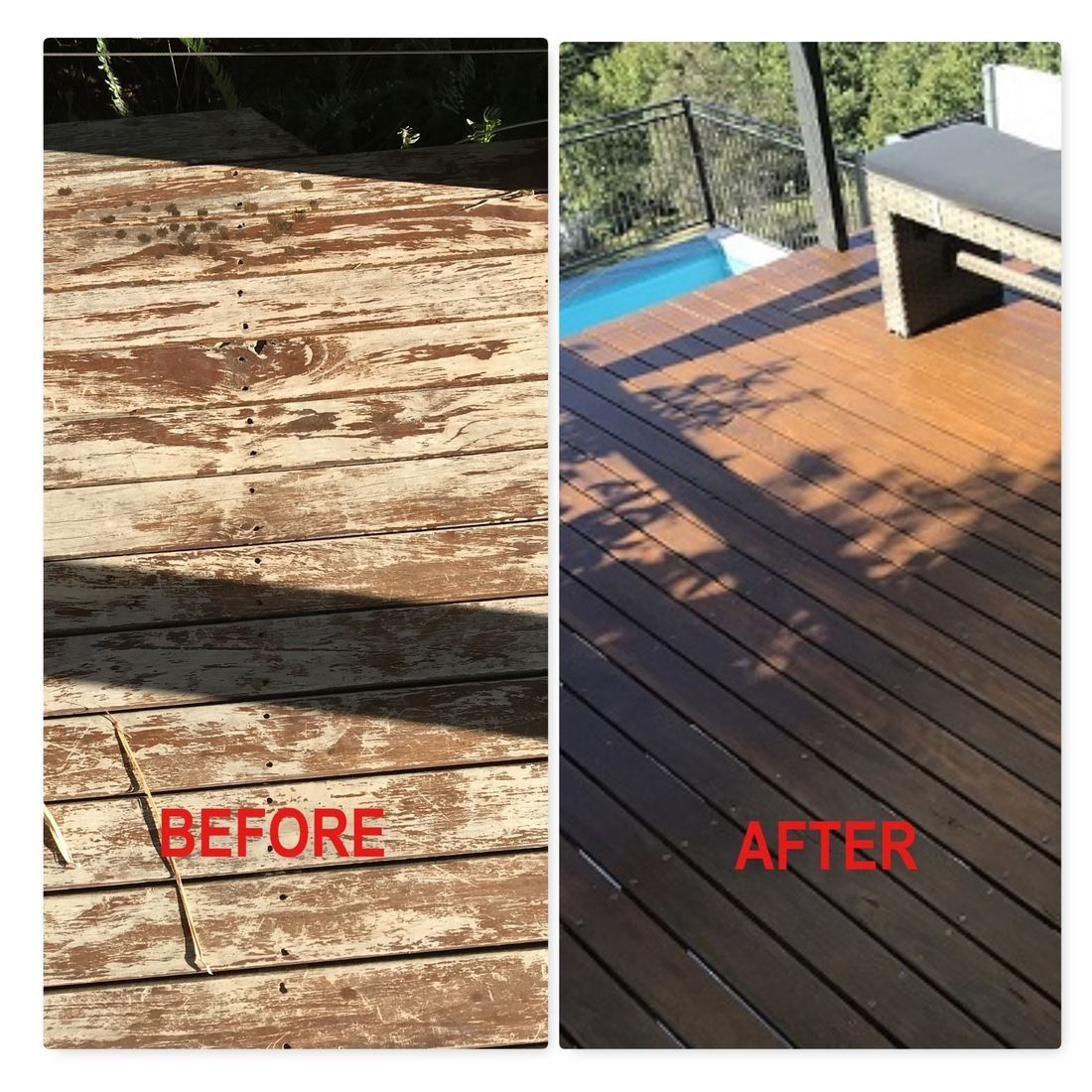
A timber deck often becomes the quiet centre of a home’s outdoor living space. It hosts weekend gatherings, morning coffees and everything in between, all while exposed to sun, rain and seasonal changes. Over time, those conditions begin to show. What starts as minor wear can gradually develop into more noticeable deterioration if it is not addressed early.
Many homeowners do not notice the early indicators straight away, especially when the deck still feels structurally sound underfoot. However, the surface condition tells a different story. Timber is responsive to its environment and will often reveal signs of stress long before serious damage sets in.
Understanding what to look for can make a significant difference in maintaining both the appearance and longevity of the structure. From subtle colour changes to more obvious surface movement, there are clear indicators that
restoration work may be needed sooner rather than later.
Early Surface Fading and Discolouration
One of the first and most visible signs of deck wear is fading or uneven colouring across the surface. Constant exposure to UV rays gradually breaks down the timber’s natural pigments and protective coatings, leaving sections looking dull or washed out.
This type of change is often gradual and easy to overlook, particularly in shaded areas or spaces that are not used frequently.
Common indicators include:
- Noticeable patchiness between sun-exposed and shaded sections
- Greying or silvery tones developing across the boards
- Loss of uniform colour after rain exposure
- Coating appearing thin or inconsistent
At this stage, professional deck sanding and re-staining can help restore a more even appearance while also reinforcing the timber’s protective layer.
Splintering Boards and Raised Grain
When timber begins to dry out or lose its protective seal, the surface can start to lift. This results in splintering or raised grain, which not only affects appearance but can also impact comfort and safety when walking barefoot.
It is often more noticeable on older decks or areas with heavy foot traffic, such as walkways or seating zones.
Typical signs include:
- Small timber splinters along board edges
- Rough patches that feel uneven underfoot
- Fibres lifting after wet and dry cycles
- Increased risk of surface irritation
Addressing this usually involves sanding back the affected surface to remove raised fibres, followed by resealing to help stabilise the timber and reduce further breakdown.
Water Damage and Moisture Absorbtion
Timber decks are designed to withstand outdoor conditions, but prolonged exposure to moisture without adequate sealing can lead to absorption issues. Once water begins to penetrate the surface layers, it can gradually affect the structural integrity of the boards.
This type of damage often develops in areas with poor drainage or where furniture traps moisture against the surface.
Watch for:
- Darkened patches that remain after rain has dried
- Soft or spongy areas underfoot
- Slow drying times compared to surrounding boards
- Visible water stains or rings
Professional restoration may include sanding, board replacement in affected sections and application of protective coatings designed to reduce future moisture penetration.
Mould, Mildew and Algae Growth
Outdoor timber naturally attracts organic growth when conditions are damp or shaded. While light surface discolouration may be common, persistent mould or algae can indicate deeper moisture retention issues.
This growth tends to develop in areas with limited sunlight or poor airflow.
Key indicators include:
- Green, black or white surface growth
- Slippery patches during wet weather
- Musty or damp smell in enclosed areas
- Recurring regrowth after basic cleaning
Cleaning alone may not resolve the issue if the timber coating has already broken down. In these cases, sanding back the affected surface and resealing can help reduce the conditions that encourage regrowth.
Loose Nails, Screws and Board Movement
Structural movement in a deck is often a sign that fixings are beginning to loosen over time. Seasonal expansion and contraction of timber can gradually shift fasteners, especially in older installations.
This can affect both safety and long-term stability if not addressed.
Common signs include:
- Nails or screws lifting above the surface
- Noticeable movement or bounce in certain sections
- Boards shifting under pressure
- Creaking sounds when walking across the deck
Repairs typically involve re-securing boards, replacing corroded fixings and checking the underlying structure before proceeding with any surface restoration work.
Warping, Cupping and Twisted Boards
Changes in moisture levels and prolonged exposure to weather can cause timber boards to distort. This may present as cupping, where edges lift, or warping, where boards twist or bend out of alignment.
These issues can affect drainage and create uneven walking surfaces.
Look out for:
- Boards that no longer sit flat against adjacent planks
- Raised or sunken edges creating trip hazards
- Gaps forming between boards due to movement
- Uneven water runoff across the surface
Depending on severity, sanding and resealing may help stabilise minor distortion. More pronounced cases may require selective board replacement to restore a level surface.
Stains, Oil Spills and General Weathering
Everyday use of a deck often leads to spills from food, drink or outdoor cooking equipment. Over time, these can settle into the timber and become difficult to remove with standard cleaning methods.
Weather exposure can also contribute to long-term staining and surface dulling.
Signs to note include:
- Dark patches that do not lift with cleaning
- Grease or oil marks near cooking or dining areas
- Watermarks from planters or furniture
- General uneven tone across high-use zones
Professional sanding can help remove deeper stains, followed by staining and sealing to create a more consistent finish and reduce future absorption.
Structural Gaps and Deterioration of Coating
As protective coatings age, they begin to break down and lose effectiveness. This often leads to visible gaps between boards, peeling finishes or areas where the surface appears unprotected.
Left untreated, this can allow moisture and debris to enter the timber more easily.
Common indicators include:
- Flaking or peeling stain or sealant
- Widening gaps between boards
- Visible dryness or cracking in exposed timber
- Increased debris buildup between gaps
Restoration typically involves stripping back old coatings through sanding, repairing any damaged sections and applying a fresh protective finish suited to outdoor conditions.
Bring Your Outdoor Space Back to Life
At
Custom Floor Sanding, we understand how quickly outdoor timber can shift from light wear to more noticeable deterioration when it is left unchecked. Deck restoration is often about timing, and addressing the early signs can help maintain both the appearance and usability of your outdoor space.
We work with homeowners across the Central Coast to assess, repair and restore timber decks using sanding, staining, sealing and targeted repairs where needed. If you have noticed fading, movement or surface damage, it may be worth having it looked at before the issues progress further.
Get in touch with us to arrange an inspection or book a restoration service and we will help bring your deck back to a condition that suits everyday outdoor living.