
Tongue & Groove Flooring on the Central Coast
Restore damaged boards and bring your timber floors back to life with expert tongue & groove flooring repairs for lasting durability.
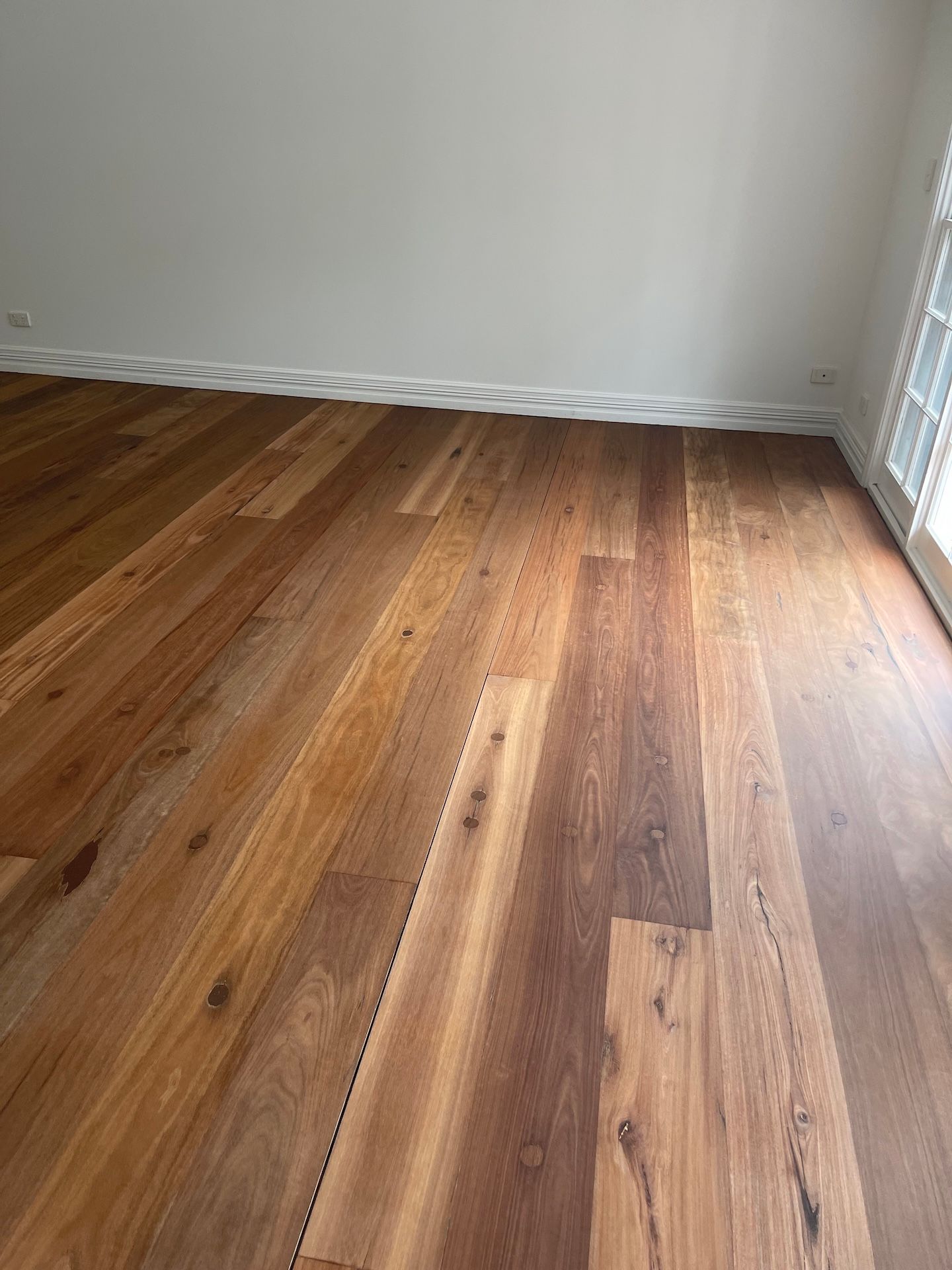
Fix Loose Tongue & Groove Flooring
At Custom Floor Sanding in Somersby, we specialise in repairing worn or damaged tongue and groove flooring across the Central Coast. Over time, timber boards can loosen, warp or develop gaps due to moisture, movement or everyday wear.
Rather than replacing an entire floor, targeted repairs can restore strength, stability and appearance while preserving the character of your existing timber. When professionally repaired, tongue and groove flooring can continue performing for many years.
Common repairs include:
- Loose or separated boards that move underfoot & create uneven surfaces
- Damaged tongues or grooves that cause gaps, squeaks or structural instability
Timber floors naturally shift with age, but that doesn’t mean they need replacing. Skilled repairs help reconnect boards, eliminate movement and restore a smooth, secure surface.
If your flooring is starting to show signs of damage, speak with the team at Custom Floor Sanding & Coast Deck Restorations today on 0407 459 575 to discuss repair options.
Installed for Performance & Longevity
Tongue and groove flooring requires precision when repairs are carried out. Each board connects to the next through a specialised interlocking profile, meaning damaged sections must be carefully removed and replaced without affecting the surrounding flooring.
Experienced technicians understand how to stabilise loose boards, repair joints and replace damaged sections while maintaining the natural look of the floor. Whether the problem involves gaps between boards, squeaking timber or worn edges, proper repair techniques restore both structural integrity and visual consistency.
Matching timber, careful installation and quality finishing ensure repaired sections blend naturally with the rest of the floor. If your timber floors are showing signs of wear, explore professional repair solutions designed to extend their life and improve their appearance.
Reach out today to discuss your flooring needs.
Heritage Timber Knowledge
Precision Floor Repairs
Quality Timber Finishes
Start Your Flooring Project
Tell us about your flooring issue and we’ll help you find the right repair solution. Submit the form below and our team will be in touch shortly.
Contact Us
Thank you for contacting Custom Floor Sanding.
We will get back to you as soon as possible.
Please try again later.
FAQ
What causes tongue and groove flooring boards to become loose or separated?
Tongue and groove flooring can loosen over time due to natural timber movement, humidity changes or structural settling within the property. When timber expands and contracts with temperature and moisture fluctuations, joints may begin to separate. Heavy foot traffic and ageing fasteners can also contribute to boards shifting or lifting. In some cases, previous repairs or poor installation can weaken the connection between boards. Addressing these issues early helps prevent further damage to surrounding flooring.
How can damaged tongue and groove boards be repaired without replacing the whole floor?
Targeted repairs allow individual boards to be removed and replaced while keeping the rest of the flooring intact. The damaged board is carefully cut out and a matching replacement piece is fitted into place. This process restores the interlocking structure of the flooring and prevents further movement. Once repairs are completed, sanding and refinishing can help blend the repaired area with the surrounding boards. This approach is often more cost-effective than replacing the entire floor.
What are the signs that tongue and groove flooring needs repair?
Several visible and physical signs can indicate that repairs are needed. Gaps forming between boards, noticeable movement underfoot or persistent squeaking often point to joint issues within the flooring. Cracked or broken board edges can also signal damage to the tongue or groove connections. In some cases, uneven boards or raised sections may develop as the timber shifts. Identifying these problems early helps maintain the overall structure and appearance of the floor.


